
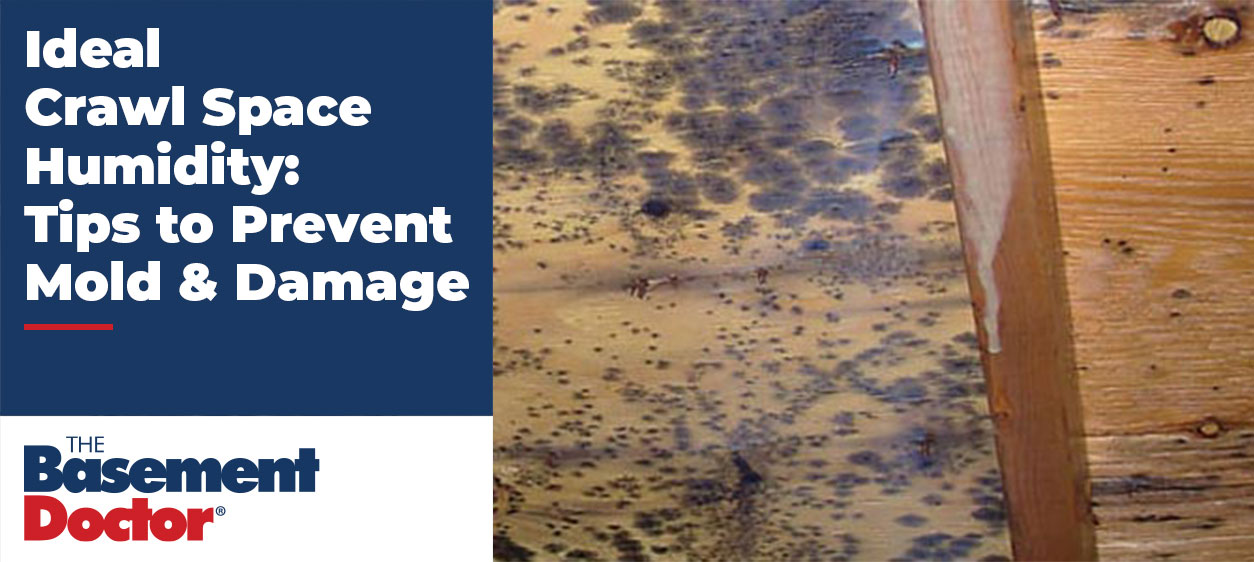
Is your home plagued by musty odors or moisture issues underneath? Your crawl space humidity impacts your entire living environment. The air from below rises into your home, carrying moisture, mold spores, and allergens. In fact, nearly 50% of the air you breathe upstairs originates from your crawl space.
As Ohio’s crawl space repair experts since 1987, we know your crawl space humidity should stay between 45-55%. Most crawl spaces we inspect measure 70-85% humidity year-round—far above safe levels. The EPA warns that humidity over 60% creates ideal conditions for mold growth and dust mites. Without proper control, excess moisture leads to wood rot, increased energy costs, and health risks.
What Should Crawl Space Humidity Be?
Many homeowners struggle with proper crawl space moisture control. Understanding optimal levels is crucial for protecting your home.
The Right Range: 45% to 55%
We recommend maintaining crawl space humidity between 45-55%. This range safeguards your home’s structure and your family’s health. It keeps wooden support beams and floor joists stable—preventing both excess moisture absorption and over-drying.
When Humidity Goes Above 60%: Serious Problems Start
Once humidity exceeds 60%, you risk:
- Mold and mildew growth
- Structural damage
- Wood rot
- Dust mite infestation
- Poor indoor air quality – What grows in your crawl space affects your family’s air upstairs
Summer brings the biggest humidity challenges, making your crawl space particularly vulnerable to spikes that create ideal mold conditions.
How We Monitor Humidity Levels
At The Basement Doctor, we use professional-grade digital hygrometers with electronic sensors for precise readings. For our customers, we recommend specialized crawl space humidity sensors that allow remote monitoring without crawling under the house. This continuous tracking helps catch sudden spikes that could indicate serious issues like burst pipes or drainage problems.
We also check wood moisture content, which should stay below 15% to prevent decay and wood-destroying pests. Our monitoring helps you understand your crawl space’s humidity patterns for early problem detection.
Fix Your Crawl Space Humidity Problems
With over 30 years of experience, we know controlling humidity requires a complete system addressing all moisture sources. Our solutions include:
Encapsulation: Complete Moisture Control
Our crawl space encapsulation creates a controlled environment that transforms your damp space into a clean, dry foundation. We address existing water issues before sealing to ensure proper protection.
Vapor Barrier Installation Done Right
We install heavy-duty 12-20 mil reinforced polyethylene sheeting that stops ground moisture. Our installation includes:
- Complete floor coverage with 6-inch seam overlaps
- Foundation wall coverage
- Proper sealing around piers
- Continuous moisture barrier throughout
Crawl Space Dehumidifiers That Work
Even with encapsulation, you need a specialized crawl space dehumidifier. We install units with automatic drainage and digital controls to maintain optimal humidity year-round.
Sump Pump and Drainage Systems
At The Basement Doctor, we know standing water needs immediate attention. Our drainage systems with sump pumps provide essential protection by collecting water through perimeter drains and directing it to a sump pit for removal.
We strategically place sump pumps at the lowest crawl space point for optimal water flow. Our complete protection includes:
- Battery backup systems for uninterrupted operation during storms
- Extended discharge lines directing water away from foundations
- Sealed sump pit covers preventing soil gas infiltration
Seal Vents and Stop Air Leaks
Modern building science shows that open crawl space vents increase humidity. We seal vents to prevent warm, humid air from creating damaging condensation.
Our comprehensive air sealing targets rim joists, sill plates, and utility penetrations. This improves energy efficiency while blocking outside humidity. For homes with radon concerns, we install specialized foundation vent fans.
When Seasonal Changes Create Crawl Space Humidity Problems
Ohio’s changing seasons create unique moisture challenges throughout the year. Each season brings distinct humidity patterns that can threaten your home’s structure.
Summer Brings Condensation Problems
Hot, humid summer air entering through vents meets cooler crawl space surfaces, causing damaging condensation. When 95°F outdoor air enters a 75°F crawl space, relative humidity nearly doubles, creating perfect conditions for mold growth.
Winter Means Snowmelt and Foundation Stress
Winter brings different moisture threats through melting snow and foundation seepage. Cold air through vents increases utility costs and creates cold floors.
Spring and fall are critical times for crawl space moisture. During these transition seasons, outdoor temperatures change rapidly while your crawl space temperature adjusts more slowly due to soil insulation.
This temperature difference creates unique condensation patterns. In spring, warm air meets cool surfaces from winter. Fall reverses this as your crawl space retains summer warmth while outside temperatures drop. In humid regions, venting only helps during spring and fall when outdoor humidity is lower than indoor levels.
Why We Recommend Year-Round Monitoring
Given these seasonal changes, continuous monitoring is crucial for home protection. Our professional systems send humidity readings directly to your phone, catching problems early.
Our 30+ years of experience have shown us you need:
- Twice-yearly crawl space inspections in spring and fall
- Remote humidity monitors for easy tracking
- Understanding of your space’s seasonal patterns
Regular monitoring prevents minor issues from becoming costly repairs, protecting your investment and family health.
Common Water Entry Points in Your Crawl Space
Water follows predictable paths into Ohio crawl spaces. Understanding these entry points helps solve moisture problems permanently.
Poor Grading Directs Water to Your Foundation
Improper landscape grading causes most water issues. When soil slopes toward your house instead of away, rain flows directly to your foundation. The ground should slope away at least 5% for the first 10 feet. Over 60% of moisture problems stem from poor grading and drainage.
Some Ohio areas face unique challenges from high water tables and heavy rainfall. Underground pressure forces water through foundation walls, pushing through tiny cracks and porous concrete. During storms, saturated soil can overwhelm drainage systems, increasing flood risks.
At The Basement Doctor, we’ve seen these water patterns repeatedly in Ohio crawl spaces. Our solutions target each vulnerability to maintain proper humidity and protect your home.
Why Crawl Spaces Become Moisture Traps
Crawl spaces have built-in vulnerabilities that make them prone to moisture problems. Understanding these challenges helps explain why targeted solutions are essential.
Vents That Work Against You
Traditional crawl space vents often increase humidity as warm, moist air enters and hits cooler surfaces. This creates moisture pockets and forces your HVAC system to work harder.
Ground Moisture Rising Constantly
Dirt floors continuously release ground vapor into your crawl space. Even without standing water, soil moisture maintains high year-round humidity.
Temperature Differences Create Problems
When warm air enters cooler crawl spaces, it creates condensation – similar to water droplets on a cold glass.
Missing Protection Systems
Without proper barriers and drainage, crawl spaces remain vulnerable. Missing vapor barriers allow unrestricted ground moisture evaporation.
We’ve protected Ohio homes since 1987 with proven solutions addressing each moisture source.
We understand crawl spaces naturally trap moisture through exposed soil, poor airflow, and temperature variations. Our expert moisture control systems transform problematic spaces into clean, dry foundations.
As your trusted local expert, we deliver lasting solutions that protect your investment and family’s health. Call The Basement Doctor today for a free inspection.