
Wondering if a vapor barrier will solve your wet basement problems? While many homeowners see vapor barriers as a complete solution, the reality is more complex. A musty basement isn’t something to ignore.
With three decades of experience helping Ohio homeowners tackle moisture issues, we’ve seen vapor barriers installed without addressing the root cause. The real culprit? Usually, excessive moisture in the soil surrounding your foundation walls.
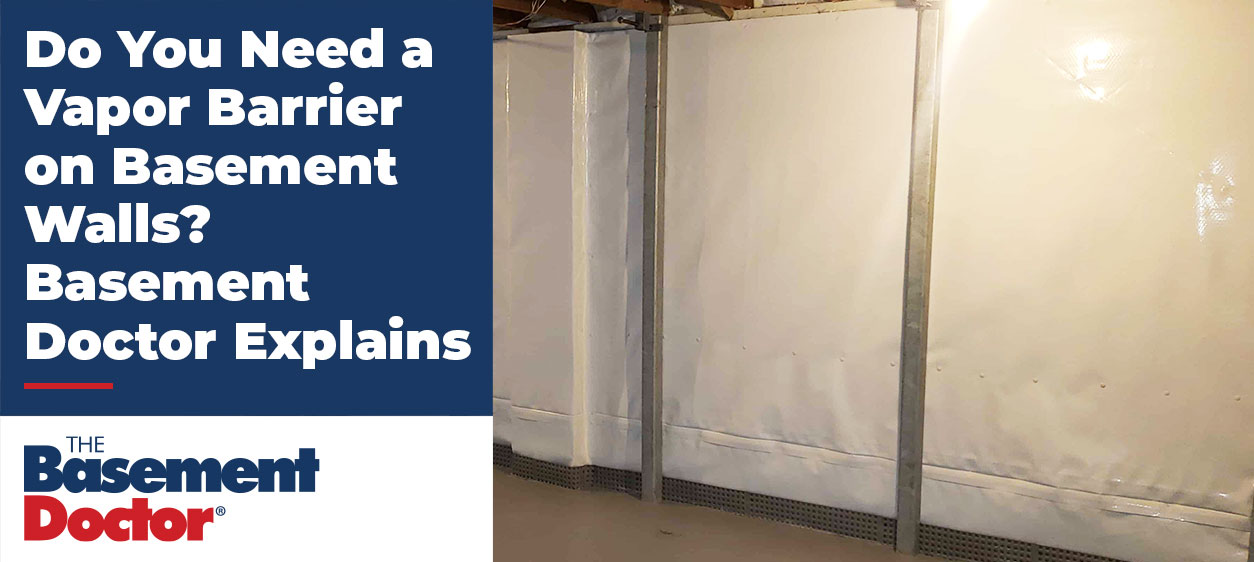
Our vapor barrier is a high-quality, 12-mil thick barrier that effectively blocks moisture from entering basement walls. However, vapor barriers alone aren’t enough if underlying water issues remain unaddressed. Water pressure can cause foundation walls to bow and crack, transforming a simple moisture problem into structural damage. Ignoring these warning signs could lead to costly repairs and health risks.
Let’s explore what vapor barriers do, when they’re appropriate for your basement, and why addressing the moisture source is crucial for a dry basement. Remember, your home is a major investment that deserves protection.
What is a Vapor Barrier, and What Purpose Does It Serve in Basement Wall Systems?
A vapor barrier is a material designed to block water vapor movement through building materials. Unlike waterproofing systems that handle liquid water, vapor barriers specifically manage moisture in its gas form.
Relying solely on vapor barriers overlooks that most moisture issues stem from air movement and direct water infiltration. Effective basement waterproofing requires systems that address both vapor diffusion and liquid water control.
Why Basement Walls Are More Sensitive to Trapped Moisture
Unlike above-ground walls that can dry in two directions, basement walls face unique challenges. Being surrounded by soil means constant moisture exposure with only inward drying possible. Poor ventilation in basements can create moisture traps, and incorrectly installed vapor barriers that prevent walls from “breathing” may worsen condensation issues within wall assemblies.
Basement wall moisture problems are particularly concerning since they can lead to both mold growth and structural damage over time. That’s why vapor barriers must be part of a complete moisture management approach including exterior drainage and proper insulation.
When Condensation Becomes a Problem Behind Basement Walls
If you notice water on basement walls but can’t find leaks, condensation might be the culprit rather than foundation issues. This common misconception often leads homeowners to worry about structural problems when moisture control is the real issue.
Understanding Dew Point and Condensation
Dew point is when air becomes too saturated to hold moisture. When basement walls cool below this temperature, water vapor converts to droplets – like condensation on a cold drink. For instance, in 72°F basement air at 50% humidity, surfaces below 52°F will develop condensation.
How Warm Air Meets Cold Concrete
Summer creates ideal conditions for condensation. While outside temperatures reach 90°F, lower basement walls might stay at 60°F, especially deeper underground.
Signs You’re Dealing with Condensation
Look for these distinct signs of condensation versus actual leaks:
- Moisture appearing mainly during humid weather
- Water beads forming on wall surfaces
- No visible cracks or staining
- Persistent musty odors
- Sticky rather than wet dampness
- Even moisture distribution across surfaces
While these may seem minor, they can lead to mold and structural issues if left unchecked.
When Condensation Problems Peak
Summer brings the highest condensation risks due to humidity and temperature differences between outdoor air and basement surfaces. Poor ventilation and improper insulation worsen the issue.
The “stack effect” compounds problems as warm air rises through the house, pulling moist air down into the basement. Even well-maintained homes face this natural challenge.
Effective solutions require more than just vapor barriers – you need comprehensive humidity and temperature control.
How Do You Determine Whether Your Basement Walls Need a Vapor Barrier?
Installing vapor barriers isn’t always the right choice. Through helping thousands of Ohio homeowners, we’ve learned improper barrier installation can sometimes worsen moisture issues.
Factors to Consider: Climate, Wall Type, Insulation
Your specific situation determines if a vapor barrier makes sense. Key considerations include:
- Local climate and rainfall patterns
- Current moisture conditions
- Future basement plans
- Wall material type
The priority is addressing moisture sources before considering barriers.
We use specialized moisture meters to detect concrete dampness without drilling. Humidity meters assess condensation risks, while infrared cameras reveal hidden moisture through temperature variations.
Seasonal monitoring provides complete basement moisture insights.
Why Plastic Barriers are Rarely Recommended on Concrete
Many homeowners are surprised to learn that plastic vapor barriers against concrete walls often create problems. Trapped moisture between plastic and walls creates ideal mold conditions.
Concrete naturally allows water vapor movement. When vapor hits interior plastic barriers, it condenses and remains trapped. Effective systems allow inward wall drying to be controlled through ventilation.
Our systems avoid plastic barriers, using rigid foam insulation for safer vapor control.
How Does Moisture Move Through Concrete Walls, and Why Does That Matter?
Despite appearing solid, concrete walls aren’t impenetrable. We’ve helped countless Ohio homeowners understand persistent moisture issues in “waterproof” concrete.
Concrete is Porous: What That Means
Most homeowners are surprised that concrete acts like a sponge. During curing, evaporating water creates microscopic pathways throughout. These interconnected spaces make concrete semi-permeable at 3.2 perms per inch thickness. What looks solid contains thousands of tiny moisture passages.
Capillary Action and Water Wicking
Water climbs through concrete’s microscopic pathways via capillary action – molecules clinging to interior surfaces and drawing moisture upward against gravity. This explains wall dampness without visible leaks. Water can rise 1-8 feet in sandy soils and 12-20 feet in clay soils.
Here’s where many homeowners make a costly mistake. Placing plastic vapor barriers directly against concrete walls often traps moisture, creating ideal conditions for mold. Smart solutions allow walls to dry inward through proper ventilation.
Why Basement Walls Face Different Moisture Challenges
Underground walls present unique challenges compared to above-ground walls, as we’ve observed across decades of Ohio foundation work.
Constant Soil Contact Creates Non-Stop Moisture Pressure
Basement walls remain in continuous soil contact, facing constant moisture pressure from saturated ground – unlike above-grade walls.
Temperature Differences Work Against You
Basement walls typically maintain 50°F while indoor temperatures stay 68-72°F. This temperature differential naturally draws moisture toward cooler basement surfaces, working against dryness goals.
Limited Drying Options
Unlike living room walls that can dry bidirectionally, basement walls have restricted drying ability due to soil contact.
Protect Your Investment with the Right Moisture Solution
Your basement needs more than quick fixes. While concrete appears solid, its porous nature allows moisture penetration. Plastic barriers against walls often backfire by trapping dampness.
Before choosing any vapor barrier, consider your climate, basement condition, intended use, and exterior drainage. Even excellent interior solutions can’t overcome poor exterior water management.
We understand basement moisture concerns can overwhelm. Our goal is to help you protect your home and family through informed decisions.
A dry, healthy basement protects your home’s value and provides a safe family space. With proper solutions, you can achieve both.
Do you need help with basement moisture? We’re here to assist Ohio homeowners. Contact us for a free inspection.