
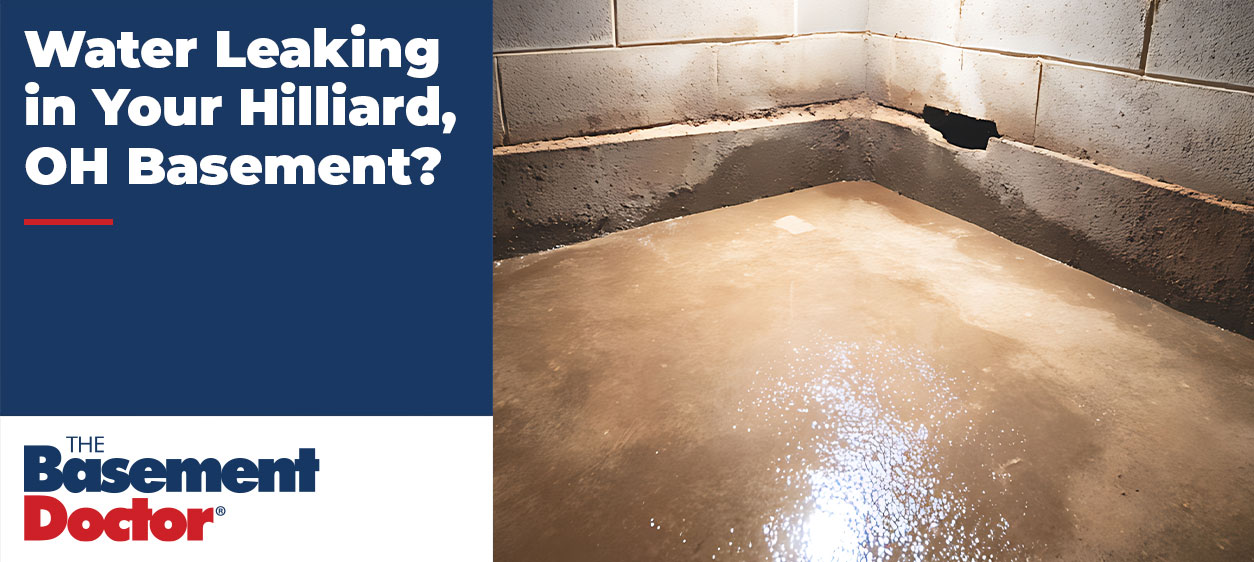
Dealing with a basement leak after heavy rain in Hilliard? You’re not alone. When storms hit, standing water can quickly escalate from an inconvenience to a serious threat to your home and family’s safety.
Water infiltration puts your investment at risk. The EPA warns that mold can develop within 24-48 hours, threatening your belongings, structural integrity, and property value. Most concerning, standard homeowner insurance typically won’t cover flood damage from surface or groundwater after rainfall.
We know discovering basement leaks creates immediate worry. Your home should provide security, not stress during storms. This emergency guide will help protect what matters most.
You’ll learn about Hilliard homes’ unique vulnerabilities to basement water issues, leak source identification, and when to contact our Hilliard basement waterproofing company for assistance. We’ll cover both quick fixes and lasting solutions for foundation leaks and seeping walls.
Why Hilliard Homeowners Deal with Basement Water Issues
Hilliard properties face distinct challenges from local conditions. Our expertise since 1987 gives us a deep understanding of these regional issues.
Heavy Clay Soil and Poor Drainage in Hilliard
Hilliard’s high clay soil content creates significant drainage problems. This soil expands when wet and contracts when dry, stressing foundation walls. The natural clay composition leads to poor drainage, while construction often compounds the issue by compacting soil further.
Throughout Hilliard neighborhoods, dense clay retains water after rain, threatening both yards and foundations. The area’s flat terrain worsens these drainage challenges.
Frequent Storms and Flash Flooding in Ohio
Ohio’s weather patterns pose additional risks. The state’s history includes devastating floods that can overwhelm drainage systems rapidly.
Weather patterns have intensified significantly. Studies reveal 88% of cities experiencing heavier rainfall since 1970, with Ohio Valley seeing a 15% increase in hourly rainfall intensity—often turning minor ponding into serious flooding concerns.
Winter presents unique flooding risks in Central Ohio. Frozen gutters and downspouts during temperature fluctuations cause melting snow to overflow, collecting near foundations. When rain falls on frozen ground, drainage becomes impossible, directing water toward your foundation.
Older Homes with Aging Foundations
Many Hilliard homes over 50 years old lack modern waterproofing standards. These properties often miss crucial drainage systems like sump pumps, footing drains, or vapor barriers. Pre-1970s homes typically weren’t waterproofed during construction.
Older foundations, built with fieldstone, unreinforced concrete, or brick, are more vulnerable to moisture and shifting. Decades of soil settlement have increased structural stress, leading to cracks and leaks.
Traditional stone or brick foundations naturally allow water penetration. Deteriorating mortar creates water entry paths. Combined with structural shifts, these issues make older Hilliard homes particularly susceptible to water problems.
Our extensive experience with thousands of Central Ohio homes drives our commitment to thorough solutions.
What Causes Basement Leaks in Hilliard?
Finding water after heavy rain? Several factors typically combine to create perfect conditions for water intrusion. Understanding these causes helps determine appropriate protective measures.
Even properly maintained gutters can cause issues if downspouts discharge too close to your foundation. Extend downspouts at least 6 feet from your foundation—especially critical in Hilliard’s clay soil. Clean gutters biannually, in spring and fall, though quarterly cleaning offers better protection.
Improper Yard Grading
Your yard’s slope determines rainfall flow. Proper grading requires a 3% grade away from your foundation (1-inch drop per foot). Many Hilliard properties have negative grading, directing water toward homes instead of away. Post-construction soil settlement often creates depressions where water pools against foundation walls.
Window Wells Without Covers
Uncovered window wells collect leaves and debris, becoming water collection points during heavy rain. These pools press against basement windows, which aren’t waterproof. Well covers prevent debris accumulation while allowing light entry—essential protection during Hilliard’s frequent downpours.
Water Leaking Through Basement Floor or Wall Joints
The wall-floor joint is the most common water entry point. Hydrostatic pressure forces water through this weak spot in all foundation types. Poured concrete walls leak along this joint, while block walls face additional issues with cracking mortar and water-filled cores.
Older Hilliard homes with stone foundations or clay tile walls have more water entry pathways due to deteriorating mortar. Even homes with exterior footing drains experience problems as these systems clog over time.
How Do I Fix a Water Leak in Basement Walls?
For seeping walls, choose repairs based on the issue. While some fixes are DIY-friendly, others require professional expertise. Small cracks under 1/4 inch wide can be sealed with polyurethane injection, which remains flexible through seasonal foundation movement.
Epoxy creates a stronger but rigid seal that can crack if your foundation moves. For hairline cracks with light seepage, epoxy works well.
Here’s the process:
- Remove all debris from the crack
- Install injection ports along the crack
- Seal surface with epoxy paste
- Inject repair material bottom-up
Both materials create a watertight seal. Work between 40°F-100°F for best results.
Call A Pro for Large or Structural Cracks
Cracks over 1/4 inch wide or in patterns indicate serious foundation issues needing professional help. Horizontal cracks in walls or stair-step patterns in block foundations show foundation stress requiring reinforcement, not just sealing.
Wide cracks, especially horizontal/diagonal ones, often mean foundation pressure from soil. Our specialists determine whether you need crack injection or stabilization.
Check your property’s grading. Soil should slope away from your house to direct water downhill. If water pools against foundation walls, add soil to create proper drainage. Extend downspouts at least 10 feet from your home.
Water Rising Through Basement Floor: Sump Pump Time
When water comes up through your basement floor, it indicates rising groundwater pushing through concrete cracks. Heavy rains create pressure that forces water through tiny fissures.
A sump pump is the solution – it collects excess groundwater in a below-floor pit and automatically pumps it away when levels rise.
Basement Walls Leaking: Cracks Or Window Well Problems
Basement leaks need targeted fixes. Horizontal cracks indicate pressure issues, while vertical ones suggest foundation settling. Minor cracks can be sealed with epoxy or polyurethane injections.
Check window wells too. Uncovered wells collect debris that block drainage. Install covers and ensure proper drainage to prevent seepage.
Multiple Foundation Leaks: Exterior Waterproofing Needed
Multiple leak points often require exterior waterproofing. An exterior French drain system can help redirect water before pressure builds. These perforated pipes in foundation-perimeter trenches collect water proactively.
Consider exterior waterproofing for persistent leaks that simpler solutions haven’t fixed. This prevents water pressure from building up against foundation walls.
When To Call The Basement Doctor in Hilliard
Some water issues need professional help. Know when to call experts to prevent costly damage.
- Visible mold growth on walls or floors
- Persistent musty smells despite cleaning
- Peeling paint or white deposits on surfaces
- Worsening family allergy symptoms in basement
Your family’s health is too important to ignore these warning signs.
Sump Pump or Drainage System Installation
Professional expertise is essential for effective water management systems. A sump pump provides primary basement protection by removing excess water before foundation damage occurs. For ongoing groundwater issues, a French drain system may be recommended to divert water from foundation walls. Proper design and professional installation are crucial for long-term home protection.
Structural Problems or Bowing Walls
Bowing basement walls indicate serious foundation issues. This structural problem stems from soil pressure and requires immediate attention. Ignoring it can lead to wall collapse and extensive damage. Walls moving inward over one inch need professional assessment, while movement exceeding two inches demands immediate action. Our foundation experts determine whether carbon fiber reinforcement, wall anchors, or steel beam support is needed based on severity.
With over 30 years helping Ohio homeowners, The Basement Doctor has the expertise to permanently resolve your basement water issues.
Protect Your Hilliard Home with The Basement Doctor
Protecting your Hilliard home from basement leaks doesn’t have to be overwhelming. Whether you’re seeing minor seepage or dealing with recurring water intrusion during heavy Ohio rainstorms, these issues rarely resolve themselves—and often get worse over time. The Basement Doctor has spent decades helping Central Ohio homeowners diagnose the exact cause of water problems and build long‑lasting, reliable solutions. From foundation crack repair to advanced interior drainage systems, our team understands the unique soil conditions, weather patterns, and construction styles common in Hilliard neighborhoods.
When you choose The Basement Doctor, you’re choosing peace of mind, expert guidance, and proven waterproofing systems designed specifically for homes in your area. We don’t believe in patchwork fixes; we believe in solutions that protect the health, safety, and value of your home for years to come. If you’re noticing signs of moisture—or just want a professional evaluation—you’re only one call away from a drier, healthier, more secure basement. Contact The Basement Doctor for basement waterproofing in Hilliard, Ohio today!