
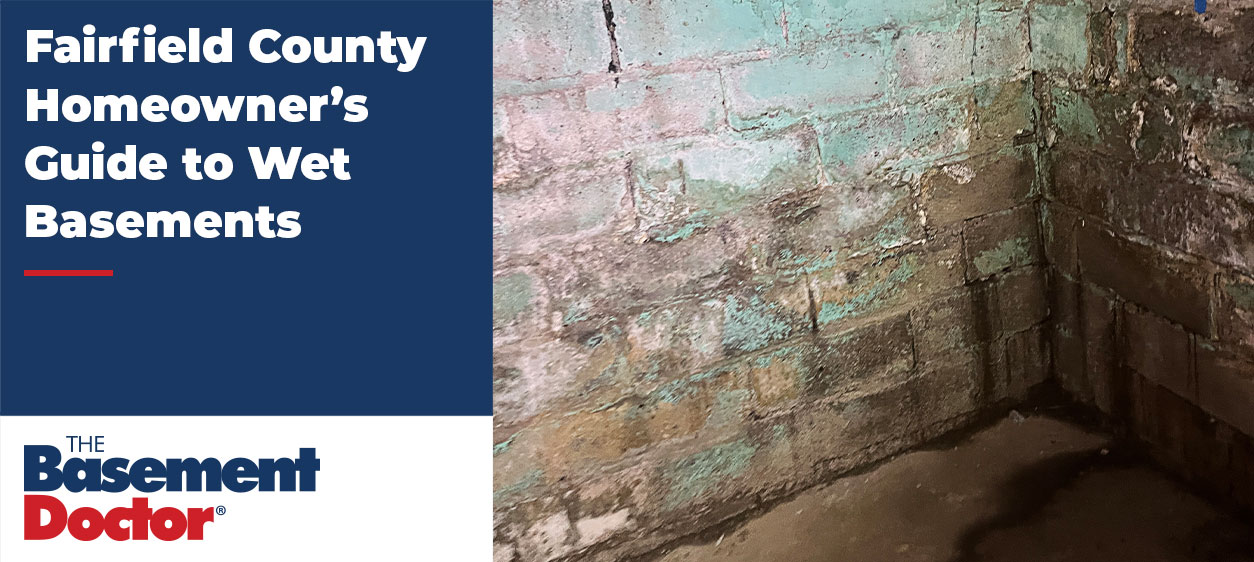
A wet basement in Fairfield County doesn’t play favorites. Brand-new subdivisions in Pickerington and Canal Winchester deal with sump pump overload, while older Lancaster homes face aging foundations and poor drainage. The symptoms, though, stay consistent across all of them: water at the floor-wall joint, damp walls after heavy rain, and a musty odor that just won’t quit.
For over 30 years, The Basement Doctor has helped Ohio homeowners tackle these exact problems with lasting solutions, not temporary patches. This guide covers the local causes behind basement leaks after rain, warning signs like efflorescence and window well leaks, and proven fixes, including basement waterproofing in Lancaster, Ohio, so your home stays dry year-round.
Why Is My Basement Wet? Causes and Warning Signs in Fairfield County
Why is my basement wet? Wet basements in Fairfield County usually come from heavy rain saturating clay soils, groundwater pushing against foundation walls, overwhelmed sump pumps in newer subdivisions, and aging foundations in older Lancaster homes. Paint and patching rarely hold up. The lasting fix means managing the water properly — interior drainage, a reliable sump pump, sealed cracks, and proper grading outside.
Heavy rain, soil pressure, and basement leaks after rain
Clay soil around your foundation absorbs water during heavy rain — and when it’s saturated, it swells and pushes that moisture toward your walls. This soil pressure is the main reason for basement leaks after rain. A single inch of rainfall can drop more than 600 gallons of water per 1,000 square feet of roof, and once the ground hits its limit, water forces its way through cracks, mortar joints, and the cove joint where your floor meets the wall.
New construction, older foundations, and local drainage conditions
Brand-new homes in Pickerington and Canal Winchester face sump pump overload in Pickerington subdivisions, where backfilled soil hasn’t fully settled and drainage systems get tested fast. Older Lancaster foundations carry a different set of risks: aging block and stone walls have more joints, clay soils hold water against them, and original waterproofing coatings break down over time. Homes near creeks or the Hocking River may also show signs of a high water table.
Poor grading, clogged gutters, and window well leaks
Yards that slope toward the house instead of away from it send runoff straight to your foundation. Clogged gutters add to the load. Window wells without proper drainage fill up fast during storms — a well should drain to a gravel layer roughly 15 to 18 inches below the sill. Anything shallower, and you’re inviting leaks around your basement windows.
Sump pump failure versus sump pump overload
These are two different problems. Failure usually means a stuck float switch, a bad check valve, or a burned-out motor. Overload is when a correctly working pump simply can’t keep up with the volume of water coming in. Most pumps last seven to ten years with regular care, so age is always worth considering when diagnosing either issue.
Water seeping through basement walls or the basement floor
Water seeping through basement walls often traces back to non-structural cracks or the cove joint. Water coming through the floor is a different story — that usually means pressure is pushing up from below the slab.
Musty smell, efflorescence, and condensation: when to try the foil test
A musty smell, peeling paint, white mineral deposits on walls (called efflorescence), and condensation can all look similar — but they have different causes. Here’s a simple way to tell them apart: tape a piece of foil to the wall and leave it for 48 hours. Moisture on the room side points to condensation. Moisture against the wall points to seepage. That one test narrows things down quickly and helps point toward the right fix.
Wet Basement Fairfield County Guide: Lancaster, Pickerington, Canal Winchester, and Baltimore
Fairfield County covers a mix of established neighborhoods and newer subdivisions, and each one sends water into basements a little differently. Your town’s foundation type, soil makeup, and drainage pattern all play a role in where your water is actually coming from.
Lancaster: what to check in older basement foundations
Many Lancaster homes stand on older block or stone foundations with more mortar joints than a modern poured wall, giving water more entry points. Clay soil throughout the region expands when wet and pulls back when dry, wearing down aging waterproofing coatings over time until they fail. Watch for stair-step cracking along masonry, wall separation near trim, and seepage around utility penetrations. These point to foundation movement, not just a surface leak.
Pickerington: drainage checks for homes in the Fairfield County portion
Pickerington clay-heavy soil holds water tight against foundation walls after storms, forcing moisture through the floor joint once pressure builds. Newer subdivisions present a different challenge: backfilled soil hasn’t fully settled, grading shifts early, and sump pump overload in Pickerington subdivisions becomes a real problem fast. Clean gutters every season, extend downspouts well away from the foundation, and recheck your grading each spring.
Canal Winchester: checking runoff in neighborhoods that cross county lines
Canal Winchester properties near the county line often rely on buried downspout lines and storm pipes that can crush, silt up, or lose pitch over time, sending runoff straight toward foundation walls. Bubbling cleanouts, turf that stays soggy after rain, and ground that’s sinking along a buried drain route are all signs of a failing line, not just a basement issue.
Baltimore: checking yard drainage and nearby waterways
Baltimore homeowners should confirm that yard grading slopes away from the foundation, gutters and downspouts discharge well clear of the walls, and any wall cracks are sealed with hydraulic cement, especially on lots near creeks or other waterways. A sump pump with battery backup is worth every penny where storms knock out power.
How to Fix a Wet Basement: Basement Waterproofing in Lancaster and Nearby Areas
Fixing a wet basement in Fairfield County starts outside, not inside. The order of work matters, and skipping steps early means spending more later.
Outside fixes homeowners can do first: gutters, grading, and window wells
Start here before anything else. Clean your gutters, extend downspouts at least six feet from the foundation, and regrade soil so it slopes away from the house. Clear window wells and make sure their drains are actually discharging — a clogged drain sends water straight to your basement windows.
Why paint, sealers, and surface patches may not stop recurring leaks
Waterproof paint resists only 8 to 12 psi, while a washing machine hose runs at roughly 50 psi continuously. Hydraulic cement can patch a visible crack, but the pressure behind the wall doesn’t go anywhere — water usually finds its way back through a nearby spot. Surface fixes treat the symptom, not the source.
Interior basement waterproofing: perimeter drainage, sump pumps, and backup power
A perimeter drain system collects water at the cove joint and routes it to a sump pump before it ever reaches your floor. Battery or AC/DC backup pumps keep things running during power outages — exactly when storms hit hardest. This is the foundation of reliable basement waterproofing in Lancaster, Ohio. Our experts will take care of the installation so you get a system built to last.
Crack sealing and wall vapor barriers: where each method helps
Urethane injection seals active wall cracks and stays flexible through seasonal movement. A vapor barrier manages wall moisture effectively — but only after active seepage is already controlled with proper drainage. Both have a role; neither replaces the other.
Dehumidification and mold prevention after the water source is controlled
The EPA confirms that drying wet materials within 24 to 48 hours following a leak typically prevents mold growth. After repairing the water source and removing existing mold, a dehumidifier maintains relative humidity at 50% or lower, helping stop mold from returning to your home.
Foundation Problems, Immediate Steps, and Wet Basement FAQs
Not every wet basement stays a moisture problem. Some point directly to your home’s structure, and that changes everything about the right fix.
When bowing walls or widening cracks need foundation repair in Lancaster, Ohio
A hairline crack under 1/8 inch is usually cosmetic. A crack that keeps widening, lets in water, or runs alongside a bowing wall is a different story entirely. That signals active lateral pressure on your foundation walls, and paint or hydraulic cement won’t hold it back. That calls for foundation repair in Lancaster, Ohio, not another patch.
When basement moisture points to a connected crawl space problem
Crawl spaces deal with the same groundwater and humidity issues as basements, just in a tighter space with far less airflow. If your home has one, pair your basement inspection with crawl space repair. Addressing only one side of the problem often leaves the other side working against you.
What to do right now: avoid electrical hazards and document water damage
Dealing with water in your basement right now? Work through these steps before anything else:
- Stay off wet floors near outlets or panels; call an electrician first.
- Move belongings off the floor.
- Photograph the damage.
- Check the sump pump, discharge line, gutters, and downspouts.
- Run a dehumidifier.
- Schedule an inspection.
Why does my basement leak after rain?
Saturated clay soil builds pressure against your foundation walls and floor. Once the ground reaches its limit, water pushes through cracks and the floor-wall joint. The ground around Fairfield County homes holds that pressure longer than most homeowners expect.
Why does my sump pump keep running?
A stuck float switch, bad check valve, clogged discharge line, or a high water table after storms keeps a pump cycling nonstop. If the pump runs constantly but the pit stays full, the volume of water entering is outpacing what the pump can handle.
What happens during a free basement inspection?
A Basement Doctor technician checks your foundation walls, identifies the water source, and walks you through the findings clearly, with no pressure and no guesswork, before recommending a fix. Contact us today and ask about financing, or visit basement waterproofing in Lancaster to book your Fairfield County inspection today.