
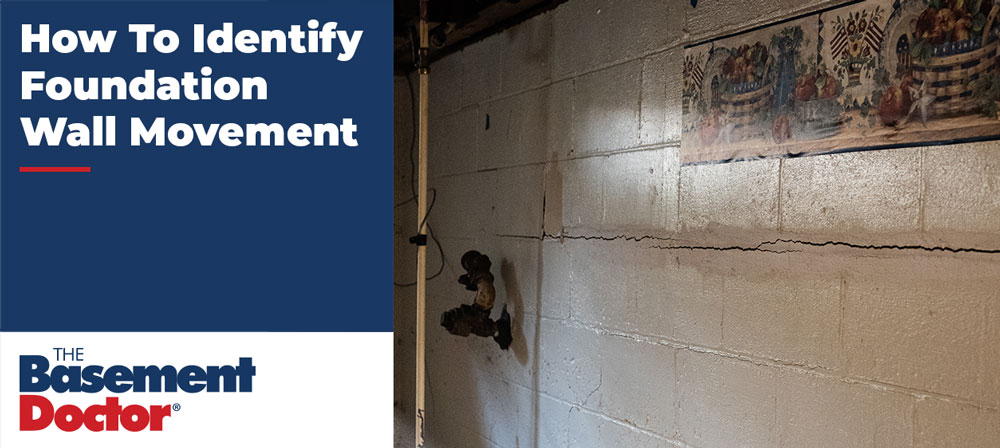
Cracks in your basement or crawl space can be unsettling. In many cases, they’re an early sign of foundation movement—when the base of the home shifts and transfers stress into walls, floors, and openings. Knowing what to look for helps you act before damage spreads.
Common clues include stair step cracks in brick or block, horizontal cracks across basement walls, widening vertical cracks, and walls that show bowing walls or bulging walls. These are all potential indicators of foundation wall movement.
Most issues won’t improve on their own. Catching changes early can keep solutions simpler and may help you avoid a more disruptive foundation movement repair later. The Basement Doctor has helped Ohio homeowners protect their homes since 1987.
What Is Foundation Movement in a House?
In simple terms, foundation movement is any shift in the structure’s base. It can be lateral (a wall pushed inward) or vertical (settling or heaving). In a foundation movement house, even small shifts can show up as cracking, uneven floors, and sticking doors or windows.
Common Causes of Foundation Movement
In Ohio, changing soil moisture is a common driver. Expansive clay swells when wet and shrinks when dry, repeatedly stressing walls. Poor drainage (short downspouts, clogged gutters, grading that slopes toward the home) can keep soil saturated and increase lateral pressure. Trees and loosely compacted fill can also contribute to uneven settling.
Foundation Movement vs. Normal Settling
Some settling is normal—especially in the first few years—often showing as small, stable hairline cracks. Movement is more concerning when it’s uneven or accelerating: cracks widen, new patterns appear near corners, or a basement wall shows pressure-related cracking.
Early Stage vs. Advanced Stage Movement
Early symptoms may be subtle (small corner cracks, slight floor slope, trim gaps). Advanced issues are clearer: cracks grow, walls lean, and openings stick repeatedly. Addressing foundation movement signs early usually means more options and a less disruptive foundation repair plan.
Foundation Movement Signs You Can’t Ignore
Your home often gives you clues before major damage occurs. Watch for these foundation movement signs:
- Horizontal cracks across basement walls (often a sign of outside pressure).
- Vertical cracks that widen, leak, or keep growing.
- Stair step cracks in brick or block walls near corners.
- Bowing walls or bulging walls (walls no longer look straight).
- Doors and windows that suddenly stick or won’t latch properly.
- Uneven floors, sloping floors, or new gaps at baseboards—sometimes tied to house foundation sinking.
Interior vs. Exterior Signs of Foundation Movement
Issues don’t always show up in one place. Basement walls may reveal pressure first, while exterior brick, siding, and grading can point to settlement or drainage problems driving foundation movement.
Basement Wall Indicators
- New damp spots, puddling water, or white powdery residue (efflorescence).
- Water staining that follows a crack line or appears after heavy rain.
- Blocks that look damp in the middle of the wall (not just at the floor joint).
- Cracks that widen from season to season or show displacement.
Exterior Foundation and Masonry Clues
Outside, look for widening cracks near corners, mortar joint separation, or a chimney pulling away from the house. Siding or trim gaps can also suggest uneven settlement and should be considered during a full foundation repair evaluation.
Landscaping and Grading Red Flags
If water pools near the home or soil slopes toward the foundation, pressure and settlement risks go up. Aim for soil to slope away about 6 inches over the first 10 feet, and extend downspouts 6–10 feet. During dry spells, soil pulling away from the wall can signal shrink/swell cycles that worsen movement.
What Happens If Foundation Movement Is Ignored?
Problems often follow a pattern: small cracks become larger, and stress spreads into nearby areas. As foundation movement continues, you may see drywall cracking, trim separation, worsening slopes, and doors or windows that won’t operate smoothly.
Delaying action can increase costs if repairs expand from one wall to multiple areas. Cracks can also let water in (raising mold and pest risk), and foundation issues often come up during a sale through inspection or buyer negotiations.
How Fast Can Foundation Movement Get Worse?
Every home is different. Some change slowly, while others worsen after very wet seasons, drought, or freeze-thaw cycles. The key is trend: new cracks, widening cracks, or increasing wall bowing means it’s time to schedule an evaluation.
Does Home Insurance Cover Foundation Movement?
In many cases, standard policies don’t cover damage from gradual settling, soil movement, or long-term hydrostatic pressure. Coverage is more likely when damage ties back to a sudden, covered event (like a burst pipe). Review your policy’s exclusions and document what you’re seeing.
- Often excluded: earth movement, settling, wear-and-tear, and preventable water intrusion.
- May be covered: sudden damage tied to a covered peril (policy dependent).
- Documentation helps: take dated photos and keep inspection notes for your claim file.
When to Call a Foundation Movement Repair Expert
Call for help if cracks are widening, you see displacement (one side higher than the other), or multiple symptoms show up together (cracks + sticking doors + sloping floors). Visible wall bowing, repeated water intrusion, and horizontal cracking are strong signs you may need foundation movement repair or another form of foundation repair.
What a Foundation Inspection Typically Includes
- Exterior review for cracking, leaning, or separation.
- Interior review for wall cracks, floor slopes, and door/window alignment.
- Measurements to confirm direction and severity of movement.
- Moisture/drainage check (gutters, grading, downspouts).
A good inspection should explain the likely cause (water, soils, drainage, or construction conditions), how urgent the issue is, and which repair options fit your wall type and property.
How to Check for Foundation Wall Movement Yourself (Safely)
You don’t need special tools to spot changes—just consistency. Take dated photos, note approximate widths, and re-check the same areas after big storms and seasonal shifts.
- Photograph cracks from the same angle and track changes over time.
- Sight down basement walls to spot new bowing or bulging.
- Note sticking doors/windows and new floor slopes.
- If changes happen quickly or horizontal cracking appears, schedule a professional evaluation.
If movement is confirmed, the next step is choosing a repair approach that matches the wall type, severity, and conditions outside your home.
Foundation Movement Repair Options for Wall Movement
If your wall is moving, the goal is to stop it and reduce the forces causing the shift. The right foundation movement repair depends on wall material (block vs. poured concrete), how far the wall has moved, and whether you have exterior access.
- Wall anchors / tiebacks: connect the wall to stable soil to stop inward movement and, in some cases, gradually improve alignment.
- Carbon fiber reinforcement: low-profile straps that help stabilize lightly bowed walls and limit crack growth.
- Steel beams: interior bracing often used when walls have more significant bowing and exterior excavation isn’t ideal.
- A qualified contractor should explain what the repair will (and won’t) do, plus how drainage improvements fit into the overall foundation repair plan.
Preventing Future Foundation Movement
Repairs work best when you also address the conditions that caused the problem—especially water management around the home.
Proper Drainage and Waterproofing
Focus on drainage basics: keep gutters clear, extend downspouts 6–10 feet, and maintain a grade that slopes away from the foundation (about 6 inches over 10 feet). These steps reduce saturated soil and help limit future foundation movement.
Managing Soil Moisture Levels
Clay soils expand when wet and shrink when dry. Try to avoid extremes: redirect roof runoff away from the house, fix leaking spigots, and consider light, consistent watering during prolonged drought so soil doesn’t pull sharply away from the foundation.
Ongoing Monitoring for New Signs
Re-check known cracks a few times a year and after major weather swings. Photos and simple measurements help you spot trends early.
If you’re seeing changes, a professional evaluation can confirm whether you need foundation movement repair now or simple monitoring and drainage fixes.
Protect Your Home Before Foundation Problems Worsen
Foundation issues rarely improve without action. If you’re noticing new cracks, worsening bowing, or signs of house foundation sinking, it’s smart to get the cause identified before damage spreads.
The Basement Doctor has helped Ohio homeowners since 1987. If you want clear answers and a practical foundation repair plan, schedule an inspection to understand what’s happening and what it will take to stabilize the home.