
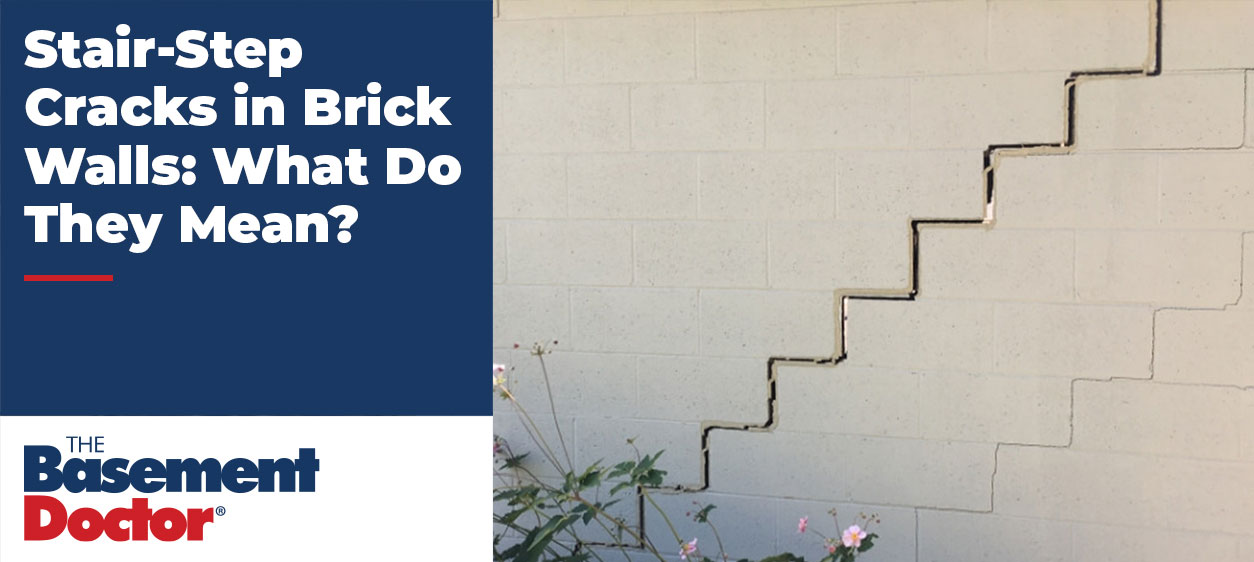
Have you noticed zigzag cracks along your brick walls? These stair-step cracks follow the mortar joints between bricks and often extend down through your wall into the foundation. When you spot this pattern, especially around doors or windows, it’s a clear signal about foundation settlement that needs attention.
As foundation experts serving Ohio homeowners since 1987, we know these concerning cracks develop when parts of your foundation settle unevenly. Your home is a major investment, and these stair-step patterns indicate foundation problems, typically caused by poor soil conditions or erosion beneath your foundation.
If you notice cracks that appear dark or damp, let our team evaluate them promptly to prevent more serious issues. Early detection can save you from costly repairs while protecting your home’s structure.
What Do Stair-Step Cracks Indicate About Your Foundation’s Condition?
These distinctive patterns reveal important information about your foundation’s stability.
Foundation Settlement and Shifting Soil Issues
Stair-step cracks are reliable indicators of foundation settlement. These cracks follow mortar lines in a staircase pattern, showing that your foundation is settling unevenly. The main cause? Soil issues. When soil beneath your home shifts or changes moisture content, it creates these telltale fractures.
Here in Ohio, expansive clay soils and frost heaving during winter can contribute to crack formation. As soil freezes and expands, it pushes against your foundation. During thaws, soil contraction leads to uneven settling.
Other warning signs include drywall cracks (particularly around door and window corners), bowing walls, and exterior brick fractures.
Load Imbalance Creates Stair-Step Patterns
When your home’s weight becomes unevenly distributed across the foundation, stair-step cracks emerge. This happens when one foundation section sinks lower than adjacent areas, usually due to soil issues or moisture problems. The stress typically shows up first along mortar joints – the path of least resistance.
This uneven settlement weakens your foundation’s ability to support your home properly. Without repairs, it can lead to major structural damage.
Where in the Foundation Do Settlement Issues Begin That Lead to Stair-Step Cracks?
With over 30 years serving Ohio homeowners, we know exactly where problems typically start. Our detailed inspections focus on key weak points that often develop into stair-step cracks.
Corners and Load-Bearing Walls Create Stress Points
Foundation issues frequently begin at corners, where settling creates unique stress. Most homes in our region show at least one corner crack. While cracks 4-5 inches from corners often come from normal brick expansion, load-bearing walls develop more concerning cracks from foundation movement.
Having trouble with doors and windows? These openings create natural weak spots in walls, making them common starting points for settlement damage. We regularly see doors becoming misaligned and windows separating from frames – early signs of foundation problems.
The footing – your foundation’s base – provides essential support for your entire home. When this critical component shifts, damage appears in your brick walls above. Different sections of your foundation can move independently as soil settles, creating distinct crack patterns.
These movements typically form stair-step cracks along mortar joints in block or brick walls. When parts of your foundation settle at different rates, it creates this characteristic staggered pattern.
How Can Homeowners Prevent Stair-Step Cracks from Forming in the Future?
As The Basement Doctor, we recommend focusing on smart water management around your foundation. Taking action now prevents costly repairs later.
Maintain proper drainage and grading
Ensure your soil slopes away from the foundation with a minimum 6-inch drop within 10 feet. A 2% grade (about ¼” per foot) provides optimal drainage while keeping your yard functional. Consider adding a gravel border for improved drainage.
Extend downspouts and install gutters
Since improper drainage causes 85% of basement water problems, extend downspouts 4-6 feet from your foundation – 8-10 feet is even better. This directs water away from loose backfill soil near your foundation walls.
Use sump pumps or foundation drainage systems
We recommend sump pumps to continuously remove water from your basement, preventing moisture buildup that weakens foundations. These reliable systems help maintain stable soil conditions.
As The Basement Doctor, we’ve seen how clay soils create serious foundation issues. These soils expand up to 20% when wet, generating massive uplift pressures that can crack walls and damage foundations. Through seasonal cycles of swelling and shrinking, clay creates an “active zone” extending deep below your home where soil movement occurs.
Sandy soils and erosion risks
Sandy soil presents different challenges. Its loose structure allows water to wash away particles, creating dangerous voids under your foundation. This erosion leads to uneven settling and those telltale stair-step cracks in brick walls.
Wet or poorly compacted soils and instability
Excess moisture weakens soil’s ability to support your home’s weight. When combined with poor soil compaction during construction, this often results in differential settlement that stresses your walls.
How soil behavior leads to stair step cracks in cinder block foundation
This soil movement directly causes distinctive cracking patterns in foundations. While some settling is normal, differential movement creates stair-step cracks along mortar joints – the weakest points in your walls. Without proper attention, affected walls may continue bowing inward.
Protect Your Home from Stair-Step Crack Damage
As your trusted foundation experts, we know these cracks signal important foundation issues. Proper drainage remains your best defense against moisture damage and structural problems. Understanding your soil type helps target the right preventive measures.
Don’t ignore small cracks—early detection prevents costly repairs. When you notice sticking doors, uneven floors, or growing cracks, call us for an evaluation. Regular inspections and moisture control protect your foundation and give you peace of mind.